Push Notification Strategies
push
notification strategies have shifted from "mass broadcasting"
to hyper-relevant, context-aware engagement. With users receiving
an average of 46 alerts per day, effective strategies must prioritize brevity,
timing, and value.
1.
Personalization & Segmentation
- Behavioral Triggers: Replace scheduled blasts
with automated notifications triggered by real-time actions, such as abandoned
carts, reaching a fitness milestone, or browsing a specific product
category.
- Hyper-Personalized Content: Use dynamic tags to insert
a user's name, recently viewed items, or local weather conditions into the
message.
- RFM Segmentation: Group users by Recency,
Frequency, and Monetary value to tailor messages for high-value customers
versus those at risk of churn.
2.
Strategic Timing & Frequency
- Individual Activity Windows: Utilize AI tools to
deliver notifications during each specific user's peak activity period,
which can boost open rates by up to 50%.
- Frequency Capping: Limit promotional
notifications to 2–5 per week to prevent fatigue and app
uninstalls.
- Silence Periods: Pause notifications during
a user's local sleep hours to respect their downtime.
3.
Contextual & Local Engagement
- Geo-Fencing: Trigger automated alerts
when users enter or exit virtual boundaries around physical locations,
such as retail stores or stadiums.
- Hyper-Local Offers: Send
"serendipitous" deals, such as a discount for a nearby coffee
shop, to drive immediate foot traffic.
4.
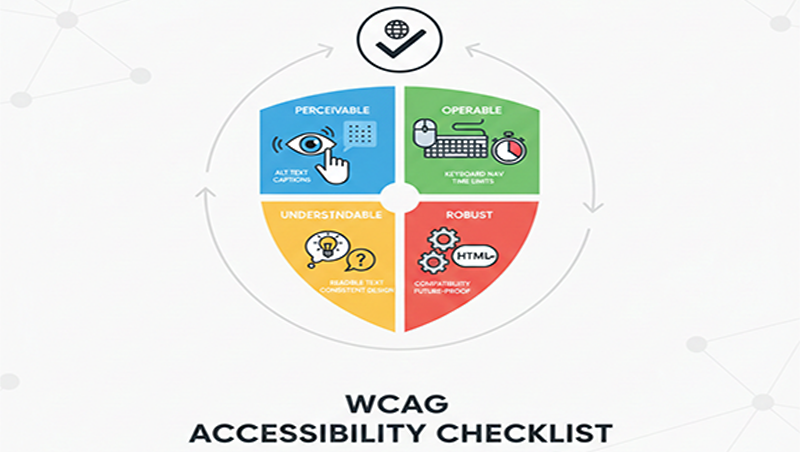
Content Optimization (POUR for Push)
- Wearable-First Copy: Optimize for smartwatches
by leading with the "punchline" in the first 3–5 words.
- Rich Media: Incorporate images, GIFs,
and videos to increase engagement by approximately 25% compared
to text-only alerts.
- Actionable CTAs: Use clear, one-tap buttons
like "Track Order" or "Claim Discount" that deep-link
directly to the relevant app screen.
5.
Ethical & Omnichannel Integration
- Value-Driven Opt-Ins: Instead of a generic
prompt at launch, ask for permission after a user experiences value (e.g.,
after their first purchase) and explain the benefits.
- Cross-Channel Failover: Use a single API to
orchestrate messaging; if a push fails or is ignored, automatically
trigger a fallback email or SMS to ensure critical info reaches the user.
- Privacy Compliance: Ensure all campaigns
strictly follow GDPR and CCPA standards by obtaining
explicit consent and providing an easy opt-out mechanism.