
Cybersecurity for Remote Teams
Cybersecurity for remote teams is critical for protecting sensitive data outside the traditional office perimeter. The primary risks include insecure home Wi-Fi, the use of personal devices, and phishing attacks. A strong defense requires a combination of technology, policies, and continuous employee education.
Key Strategies and Best Practices
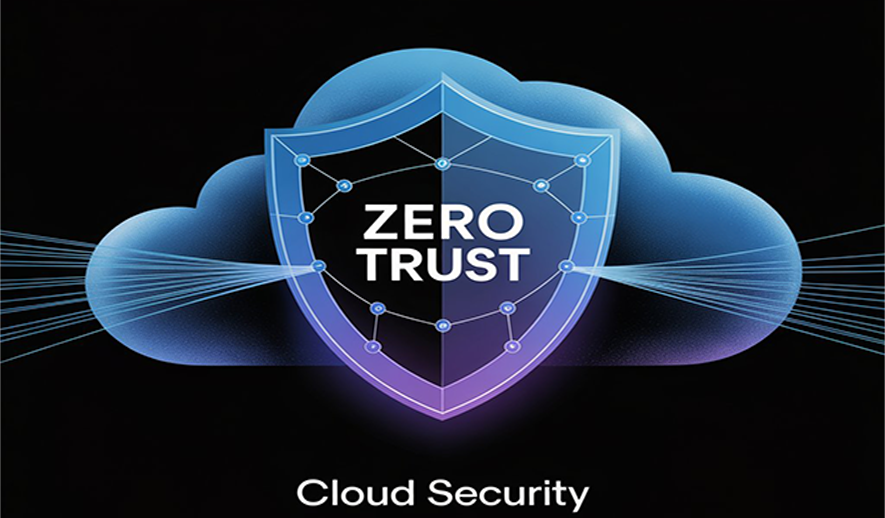
- Implement a Zero Trust Architecture: Adopt a "never trust, always verify" model, which requires continuous authentication and authorization for every user and device, regardless of location.
-
Enforce Strong Authentication:
- Multi-Factor Authentication (MFA): Require MFA for all accounts, systems, and applications. This adds a crucial layer of security, as a compromised password alone is not enough for an attacker to gain access.
- Strong Passwords: Enforce policies for long, unique, and complex passwords. Encourage the use of password managers to help employees manage credentials securely.
- Secure Access and Networks:
- Use VPNs: Mandate the use of a business-grade Virtual Private Network (VPN) for all work-related internet activity to encrypt data in transit, especially when connected to public or unsecured networks.
- Secure Home Wi-Fi: Educate employees to change default router passwords, enable robust encryption like WPA3, and regularly update router firmware.
- Provide Company Devices: Where possible, provide company-managed devices to maintain greater control over security settings and updates.
- Endpoint Protection: Deploy advanced endpoint detection and response (EDR) solutions and antivirus software on all work devices. Ensure full-disk encryption is enabled to protect data if a device is lost or stolen.
- Automate Updates: Enable automatic updates for all operating systems, web browsers, and applications to patch known vulnerabilities promptly.
- Manage Devices and Endpoints:
- Establish Clear Policies: Develop comprehensive policies covering acceptable use of devices, secure data handling procedures, use of approved collaboration tools, and incident reporting guidelines.
- Provide Continuous Training: Human error is a leading cause of data breaches. Conduct regular, interactive cybersecurity awareness training that includes simulated phishing attacks to keep employees vigilant and informed about the latest threats.
- Plan for Incidents: Develop a specific incident response plan for remote work scenarios, outlining procedures for isolating compromised devices and restoring data from secure backups to minimize downtime and damage